
Why Spokane Has Some of the Hardest Water in the Pacific Northwest
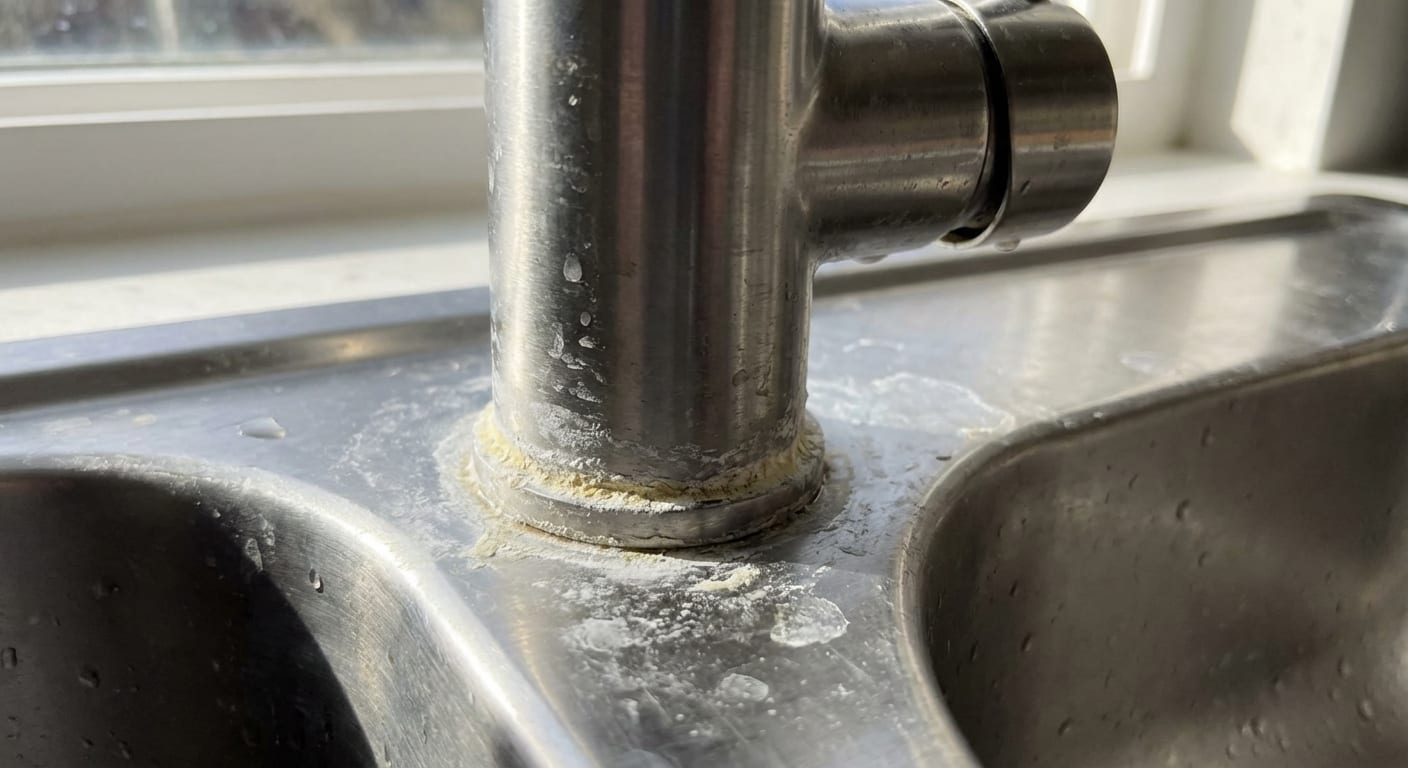
If you have lived in Spokane for any length of time, you have probably noticed the white, chalky deposits on your faucets, the film on your shower doors, or the fact that your soap never seems to lather the way it should. These are all signs of hard water, and Spokane has plenty of it.
Spokane's municipal water supply comes almost entirely from the Spokane Valley-Rathdrum Prairie Aquifer, a massive underground water source that stretches from Lake Pend Oreille in Idaho to the Spokane area. While this aquifer provides exceptionally clean water in many respects, it also passes through mineral-rich geological formations that load the water with calcium and magnesium, the minerals responsible for water hardness.
How Hard Is Spokane's Water?
Spokane's water averages approximately 13 grains per gallon (gpg) of hardness. To understand what that means, here is how the United States Geological Survey (USGS) classifies water hardness:
| Classification | Grains per Gallon (gpg) | Milligrams per Liter (mg/L) |
|---|---|---|
| Soft | 0 - 1 | 0 - 17 |
| Slightly Hard | 1 - 3.5 | 17 - 60 |
| Moderately Hard | 3.5 - 7 | 60 - 120 |
| Hard | 7 - 10.5 | 120 - 180 |
| Very Hard | Over 10.5 | Over 180 |
At 13 gpg, Spokane's water falls squarely in the "very hard" category, nearly double the threshold for what the USGS considers simply "hard." This level of hardness means that every gallon of water entering your home carries a significant mineral load that affects your plumbing, appliances, skin, and wallet.
The Geology Behind Spokane's Hard Water
Spokane's hard water is a direct result of the region's unique geological history. The Spokane Valley-Rathdrum Prairie Aquifer sits within deposits of glacial outwash, gravel, and sand left behind by the Missoula Floods and ancient glaciers. Beneath and around these deposits are layers of Columbia River Basalt, a mineral-rich volcanic rock formation.
As groundwater slowly percolates through these basalt formations and glacial deposits, it dissolves calcium carbonate and magnesium from the rock. By the time the water reaches the aquifer and eventually your tap, it has absorbed high concentrations of these dissolved minerals. This process has been happening for thousands of years, which is why Spokane's water has consistently high hardness levels regardless of the season or rainfall.
How Hard Water Damages Your Home
Hard water is not just an inconvenience. It causes measurable, costly damage to your home's plumbing system and appliances over time. Understanding the full impact can help you make an informed decision about treatment.
Water Heater Efficiency Loss
According to the U.S. Department of Energy, scale buildup from hard water can reduce water heater efficiency by up to 29%. Here is why: as hard water is heated, calcium and magnesium precipitate out of the water and form a layer of scale on the heating elements and the inside of the tank. This scale acts as an insulator, forcing the heater to work harder and use more energy to heat the same amount of water. In Spokane, where water heaters are working with 13 gpg water, this scale builds up rapidly.
Shortened Appliance Lifespan
Scale buildup can cut the lifespan of water-using appliances by 30-50%. Dishwashers, washing machines, coffee makers, and ice machines all suffer from mineral deposits clogging valves, coating heating elements, and reducing flow. A water heater that should last 12 years might only last 6-8 years in a Spokane home without a water softener.
Plumbing Damage
Over time, mineral deposits narrow the inside diameter of your pipes, reducing water pressure and flow. In severe cases, pipes can become so clogged with scale that they need to be replaced entirely. This is especially problematic in older Spokane homes with galvanized steel pipes, where scale buildup accelerates corrosion.
Skin and Hair Effects
Hard water makes it difficult for soap to lather and rinse cleanly. The calcium and magnesium react with soap to form a sticky residue (soap scum) that clings to your skin and hair. Many Spokane residents report dry, itchy skin, dull hair, and even worsened eczema or psoriasis symptoms that improve after installing a water softener.
Cleaning Challenges
The white spots on your glasses, the film on your shower doors, and the ring around your bathtub are all caused by hard water mineral deposits. Spokane homeowners spend significantly more time and money on cleaning products to combat these deposits compared to residents in areas with softer water.
The Financial Impact of Hard Water
Hard water costs Spokane homeowners money in ways that are not always obvious. When you add up the increased energy bills from inefficient water heaters, the premature replacement of appliances, the extra spending on soap and cleaning products, and the plumbing repairs, the annual cost of untreated hard water for a typical Spokane household can range from $800 to $1,200 per year.
- Energy costs: Up to 29% higher water heating bills due to scale insulation
- Soap and detergent: Hard water requires 50-75% more soap and detergent to achieve the same cleaning results
- Appliance replacement: Replacing a water heater 4-6 years early costs $1,000-$2,000
- Plumbing repairs: Scale-related pipe and fixture repairs average $200-$500 per incident
- Cleaning products: Additional spending on specialty cleaners for mineral deposits
The Proven Solution: Ion Exchange Water Softening
Ion exchange water softening is the established, proven technology for treating hard water. The system works by passing incoming water through a tank filled with resin beads that carry a sodium or potassium charge. As the hard water flows over the resin, the calcium and magnesium ions are attracted to the resin and swap places with the sodium or potassium ions. The result is soft water throughout your entire home.
Benefits of Softened Water
- Eliminates scale buildup in pipes, water heaters, and appliances
- Restores water heater efficiency to near-original levels
- Extends appliance lifespan by 30-50%
- Reduces soap and detergent usage by 50-75%
- Softer skin and hair, reduced dryness and irritation
- Spot-free dishes and cleaner fixtures
- Lower energy bills from efficient water heating
Sizing Your Softener for Spokane Water
With Spokane's 13 gpg hardness, proper sizing is important. A family of four using approximately 80 gallons of water per day needs a softener that can handle at least 32,000-48,000 grains between regeneration cycles. An undersized softener will regenerate too frequently, wasting water and salt, while an oversized unit is an unnecessary expense. A professional assessment of your household size and water usage ensures you get the right system.
Frequently Asked Questions About Hard Water in Spokane
Is hard water safe to drink?
Yes, hard water is generally safe to drink. The calcium and magnesium in hard water are minerals your body needs. The issue with hard water is not health-related but rather the damage it causes to your plumbing, appliances, skin, and hair. However, many people prefer the taste of softened or filtered water.
Why is Spokane water so hard?
Spokane's water comes from the Spokane Valley–Rathdrum Prairie Aquifer, which passes through mineral-rich basalt and glacial deposits. As the water moves through that gravel it picks up calcium and magnesium, which is why Spokane's water typically tests 7–10 grains per gallon, well into the "hard" range.
Will a water softener make my water taste salty?
No. The amount of sodium added by a water softener is very small. At 13 gpg hardness, a softener adds approximately 30 mg of sodium per 8-ounce glass, which is less than the sodium in a slice of bread. If sodium is a concern, potassium chloride can be used instead of salt. Many homeowners also install a reverse osmosis system at the kitchen sink for drinking water, which removes the sodium along with other contaminants.
How often does a water softener need maintenance in Spokane?
A well-installed water softener requires minimal maintenance. You need to keep the salt tank filled, which typically means adding a bag of salt every 4-8 weeks depending on your household size and water usage. Annual professional maintenance is recommended to check the resin, clean the brine tank, and ensure the system is regenerating efficiently. With Spokane's high hardness levels, the resin beads work hard and may need replacement every 10-15 years.
Can I install a water softener myself?
While DIY installation is possible for handy homeowners, professional installation is recommended for several reasons. Improper installation can void the warranty, cause water damage, or result in a system that does not treat your water effectively. A professional installer will also ensure the system is properly sized for your home's hardness level and water usage, set the regeneration schedule correctly, and connect the bypass valve for outdoor irrigation if needed.


