
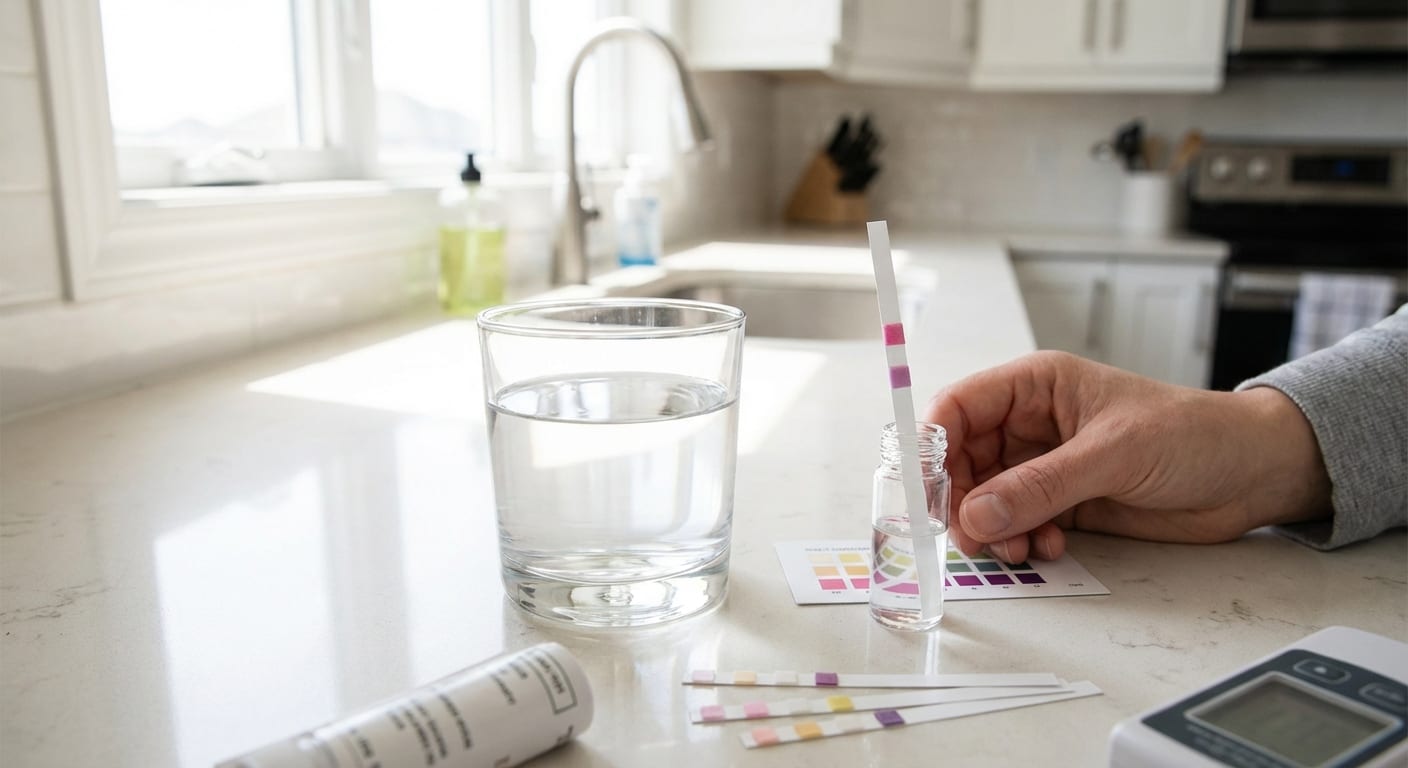
PFAS Contamination in Spokane: A Growing Concern
Per- and polyfluoroalkyl substances, commonly known as PFAS or "forever chemicals," have become one of the most pressing water quality issues in the Spokane region. These man-made chemicals have been used since the 1940s in products like nonstick cookware, waterproof clothing, food packaging, and firefighting foam. The problem is that PFAS do not break down in the environment or in the human body, meaning they accumulate over time in both our water supply and our tissues.
In Spokane, PFAS contamination is not a hypothetical future risk. It is a documented reality affecting thousands of residents right now. Understanding the scope of the problem, the health risks involved, and the solutions available is essential for every household in the region.
How Bad Is the PFAS Problem in Spokane?
Recent testing has revealed alarming levels of PFAS contamination across multiple water sources in the greater Spokane area. The scope of the issue extends from municipal wells to private residential wells, and the sources of contamination are both military and industrial.
Key Findings from EPA and Local Testing
- 57% of private wells contaminated: EPA testing on Spokane's West Plains found PFAS in more than half of all private wells sampled, indicating widespread groundwater contamination in the area.
- City wells exceed federal limits: The City of Spokane detected PFOS at 6.1 parts per trillion (ppt) at the Ray Street Well, which exceeds the new federal maximum contaminant level of 4 ppt for PFOS and PFOA individually.
- Airway Heights water crisis: The city of Airway Heights was forced to discontinue its municipal water service entirely after PFAS contamination from nearby Fairchild Air Force Base was detected at dangerously high levels. Residents were told not to drink, cook with, or bathe in the water.
- Military connection: Aqueous film-forming foam (AFFF), a PFAS-containing firefighting foam, was used extensively at Fairchild Air Force Base during training exercises for decades. This foam seeped into the ground and contaminated the Spokane Valley-Rathdrum Prairie Aquifer, the sole source aquifer for the region.
Understanding the New Federal PFAS Limits
In April 2024, the EPA established the first-ever federal drinking water standards for PFAS. These limits are significantly stricter than what many water systems in the Spokane area currently meet.
- PFOS: Maximum contaminant level set at 4 parts per trillion (ppt)
- PFOA: Maximum contaminant level set at 4 ppt
- Combined PFAS: Additional limits apply to mixtures of multiple PFAS compounds
To put these numbers in perspective, 4 parts per trillion is equivalent to about four drops of water in an Olympic-sized swimming pool. The fact that the EPA set limits this low reflects the growing scientific evidence that even extremely small amounts of PFAS can cause health problems over time.
Public water systems have until 2029 to comply with these new limits. However, private well owners are not covered by these regulations and must take responsibility for their own testing and treatment.
Health Risks Associated with PFAS Exposure
The health effects of PFAS exposure have been extensively studied over the past two decades. The scientific consensus is clear: long-term exposure to even low levels of PFAS is associated with serious health conditions.
Documented Health Effects
- Cancer: PFAS exposure is linked to kidney cancer and testicular cancer. The International Agency for Research on Cancer (IARC) has classified PFOA as a Group 1 carcinogen, meaning there is sufficient evidence it causes cancer in humans.
- Reproductive harm: Studies have connected PFAS to low birth weight, preeclampsia, and reduced fertility in both men and women.
- Liver damage: PFAS accumulate in the liver and can cause elevated cholesterol, liver inflammation, and impaired liver function over time.
- Thyroid disease: PFAS interfere with thyroid hormone production, which can lead to hypothyroidism, metabolic disorders, and developmental issues in children.
- Immune system suppression: PFAS exposure has been shown to reduce vaccine effectiveness and weaken the body's ability to fight infections.
- Developmental delays: Children exposed to PFAS in utero or through drinking water may experience developmental delays and behavioral issues.
Because PFAS accumulate in the body over years, even low daily exposure through drinking water can eventually lead to harmful concentrations in your blood and organs. This is why the federal limits are set so low, and why home treatment is so important for Spokane residents.
How to Remove PFAS from Your Drinking Water
The good news is that proven treatment technologies exist to remove PFAS from your home's water supply. Not all filtration methods are equally effective, so choosing the right system matters.
Reverse Osmosis (Most Effective)
Reverse osmosis (RO) systems are the gold standard for PFAS removal. These systems push water through a semipermeable membrane with pores small enough to trap PFAS molecules. Independent testing consistently shows that quality RO systems remove 90-99% of PFAS compounds from drinking water. For Spokane residents concerned about PFAS, a point-of-use RO system installed at the kitchen sink is the single most effective step you can take.
Activated Carbon Filtration
Granular activated carbon (GAC) filters also reduce PFAS significantly, though not as completely as reverse osmosis. Whole-house activated carbon systems are effective at reducing PFAS throughout all your home's water, which provides protection for bathing and cooking in addition to drinking water. The carbon adsorbs PFAS molecules as water passes through the filter media. For best results, carbon filters need to be replaced on a regular schedule, as their effectiveness decreases as the carbon becomes saturated.
Ion Exchange Treatment
Specialized ion exchange resins designed for PFAS removal are another effective option, particularly for whole-house applications. These resins are specifically engineered to attract and bind PFAS compounds.
What Does NOT Remove PFAS
- Boiling water: Boiling actually concentrates PFAS because the water evaporates but the chemicals remain.
- Standard pitcher filters: Most basic Brita-style pitcher filters are not certified to remove PFAS. Check for NSF/ANSI 53 or NSF/ANSI 58 certification.
- Water softeners: Ion exchange softeners designed for hardness removal do not remove PFAS.
- UV disinfection: Ultraviolet light kills bacteria but has no effect on chemical contaminants like PFAS.
What Spokane Residents Should Do Now
- Get your water tested: If you are on a private well, especially on the West Plains, schedule a PFAS-specific water test. Standard water tests do not include PFAS.
- Check your utility's results: If you are on city water, review the annual Consumer Confidence Report from your water provider. Ask specifically about PFAS testing results.
- Install appropriate treatment: Based on your test results, install a reverse osmosis system for drinking water and consider whole-house activated carbon filtration for comprehensive protection.
- Stay informed: PFAS regulations are evolving rapidly. The EPA's 2029 compliance deadline means changes are coming to municipal water treatment, but private well owners need to act on their own.
Frequently Asked Questions About PFAS in Spokane Water
Is Spokane city water safe to drink?
The City of Spokane's water supply has detected PFAS at levels that exceed the new federal limits at certain wells. While the city is working toward compliance, residents who want to minimize their exposure should consider installing a reverse osmosis drinking water system. The Ray Street Well detected PFOS at 6.1 ppt, above the 4 ppt federal limit.
How do I get my well water tested for PFAS in Spokane?
Contact a certified water testing laboratory that offers PFAS analysis. Standard well water tests do not include PFAS, so you need to request this specific test. Water Guys also offers complimentary water testing for Spokane-area residents that includes screening for PFAS and other contaminants.
Does a regular water filter remove PFAS?
Most basic water filters, including standard pitcher filters and refrigerator filters, are not effective at removing PFAS. You need either a certified reverse osmosis system (90-99% removal) or a high-quality activated carbon filter specifically rated for PFAS reduction. Look for NSF/ANSI 53 or NSF/ANSI 58 certification when shopping for a filter.
What caused the PFAS contamination in the Spokane area?
The primary source of PFAS contamination in the Spokane area is aqueous film-forming foam (AFFF) used at Fairchild Air Force Base for firefighting training. This foam was used for decades and seeped into the groundwater, contaminating the Spokane Valley-Rathdrum Prairie Aquifer. Industrial sources and landfill runoff have also contributed to PFAS in the broader region.
Are PFAS dangerous at the levels found in Spokane?
Yes. The EPA set the federal limit at 4 ppt precisely because scientific evidence shows health effects at very low concentrations. Long-term exposure to PFAS even at low levels is associated with increased cancer risk, thyroid disease, immune suppression, and reproductive problems. Children and pregnant women are especially vulnerable.


